

Citrus Tree Pruning Tips for Mesa Homeowners
Citrus Tree Pruning in Mesa
Why Citrus Tree Pruning Matters in Mesa
Citrus trees are a popular part of residential landscapes throughout Mesa, from backyard orange and lemon trees to grapefruit, lime, and other varieties. Arizona’s climate can be well suited to citrus, but proper pruning still plays an important role in maintaining the tree’s structure, managing unwanted growth, and keeping the canopy accessible.
Unlike some ornamental trees that require regular structural pruning, established citrus trees generally do not need aggressive annual trimming simply to remain healthy. The University of Arizona Cooperative Extension recommends allowing citrus trees to develop naturally while removing specific types of unwanted growth when necessary.
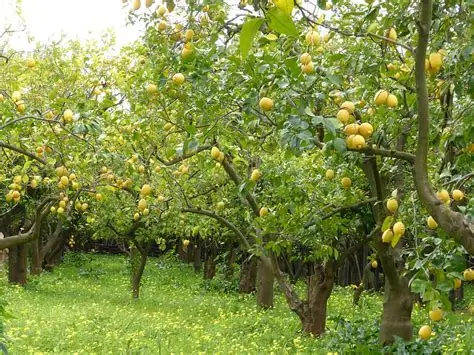
Pruning may be appropriate when a Mesa citrus tree has:
- Dead, damaged, or diseased branches
- Suckers growing from below the graft
- Branches rubbing against each other
- Growth interfering with walkways or structures
- Low branches that need clearance
- Excessively dense or poorly positioned growth
- Branches damaged by weather or other causes
The objective should be selective pruning rather than reducing the tree’s canopy simply because it looks large. Healthy leaves are essential for photosynthesis, and excessive pruning can reduce the tree’s ability to produce energy.
When Should You Prune Citrus Trees in Mesa?
Timing is one of the most important considerations when pruning citrus in Mesa. Citrus trees are evergreen, so they do not require the same type of dormant-season pruning used for many deciduous fruit trees.
For routine maintenance, pruning should generally be limited to removing dead, damaged, diseased, or poorly positioned growth. The University of Arizona Cooperative Extension advises homeowners to be cautious about pruning citrus because excessive pruning can expose branches and trunks to intense Arizona sunlight.
One important consideration is frost protection. Citrus bark and previously shaded portions of the tree can be susceptible to sunburn when exposed suddenly. Heavy pruning before periods of extreme heat or cold can therefore create additional stress.
If a branch is broken or poses an immediate safety concern, it may need to be addressed regardless of the season. Routine shaping, however, can usually wait for more appropriate conditions.
Mesa homeowners should also watch for new growth emerging from the trunk or rootstock. These shoots, often called suckers or water sprouts depending on their origin, can compete with the desirable canopy and should be removed when identified.
Rather than following a rigid calendar, inspect citrus trees regularly and prune only when there is a specific reason to make a cut.
How to Prune Citrus Trees Properly
Good citrus pruning is selective. Homeowners generally do not need to reshape the entire tree each year. Instead, focus on removing growth that is dead, damaged, poorly positioned, or interfering with the tree’s intended use.
One of the most important tasks is removing suckers below the graft union. Many citrus trees sold for landscapes are grafted, meaning the desirable citrus variety is attached to a different rootstock. Growth emerging from below the graft can belong to the rootstock rather than the desired fruiting variety. University of Arizona guidance recommends removing these shoots because they can compete with the upper canopy.
Pruning may also include:
Removing deadwood: Dead branches should be removed back to healthy tissue using appropriate pruning techniques.
Removing damaged branches: Broken limbs should be addressed before they become larger structural problems.
Managing crossing branches: Branches that repeatedly rub against each other can create wounds and should be evaluated for selective removal.
Maintaining clearance: Branches extending into walkways, against structures, or into areas where they interfere with people or equipment may require trimming.
Managing excessive vertical growth: Water sprouts and overly vigorous shoots can sometimes be removed to maintain a more functional canopy.
Pruning cuts should be made carefully rather than leaving long stubs or damaging the trunk. For larger branches, proper cutting technique is especially important because poorly executed cuts can create unnecessary wounds.
Citrus Pruning Mistakes Mesa Homeowners Should Avoid
One of the most common mistakes is over-pruning. A citrus tree may appear easier to manage after a large portion of its canopy has been removed, but aggressive pruning can reduce the tree’s productive foliage and expose previously shaded branches and trunk areas to intense sunlight.
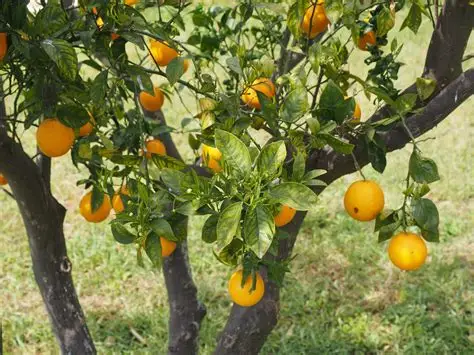
Arizona’s strong sun makes this particularly important. University of Arizona guidance warns that excessive removal of protective foliage can leave citrus bark vulnerable to sunburn.
Another mistake is removing every low branch simply to create a perfectly open trunk. Citrus trees can naturally have branches relatively close to the ground, and removing them without a practical reason may provide little benefit.
Homeowners should also avoid ignoring rootstock suckers. These vigorous shoots can grow quickly and may eventually compete significantly with the desired citrus canopy if they are left unmanaged.
Other common mistakes include:
- Pruning healthy branches without a specific purpose
- Removing large sections of canopy at one time
- Leaving large branch stubs
- Making unnecessary cuts close to the trunk
- Using damaged or poorly maintained pruning tools
- Pruning solely to make the tree look smaller
- Attempting to cut large branches from an unsafe ladder
- Ignoring branches growing into utility lines
The International Society of Arboriculture recommends that pruning have a clear objective and that homeowners use qualified professionals for complex or hazardous pruning work.
Professional Citrus Tree Pruning for Mesa Properties
Citrus trees can be productive and attractive additions to a Mesa landscape when they receive appropriate care. Pruning should support the tree’s long-term health and function rather than simply reducing its size.
Homeowners should periodically inspect citrus trees for deadwood, broken branches, rootstock suckers, crossing growth, and branches interfering with structures or pedestrian areas. Trees that suddenly develop extensive deadwood, decline in canopy health, or show other unusual symptoms may need a broader evaluation rather than simply additional pruning.
For mature citrus trees, professional pruning can be particularly helpful when branches are large, difficult to reach, or positioned near structures. Attempting to cut heavy limbs from a ladder can create unnecessary risks for both the homeowner and the tree.
At Jose Knows Trees, citrus tree pruning in Mesa should begin with understanding why the tree needs attention. Whether the goal is removing deadwood, improving clearance, managing rootstock growth, or correcting structural concerns, selective pruning can help maintain a healthier and more manageable canopy.
The best citrus pruning is rarely about making the tree as small as possible. It is about removing the right growth while preserving the healthy foliage and natural structure the tree needs to continue growing.
For Mesa homeowners with mature citrus trees, regular inspections and thoughtful pruning can help keep backyard orange, lemon, grapefruit, and other citrus trees productive, accessible, and well suited to the surrounding landscape. Get a free estimate today!